

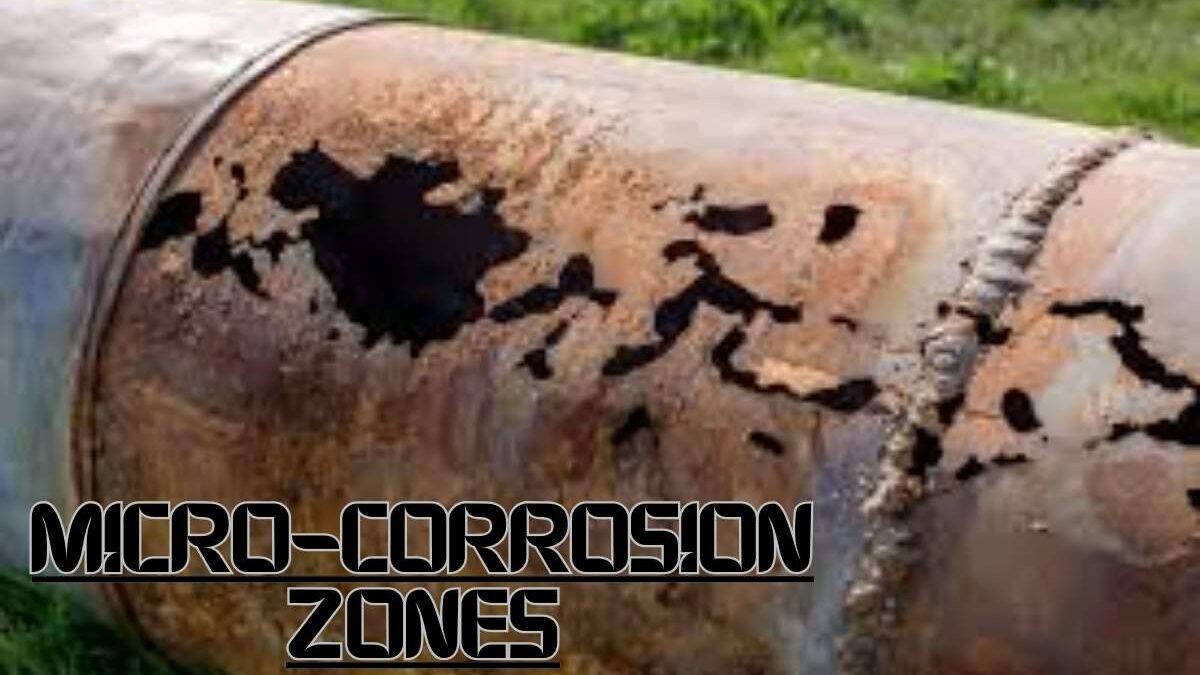

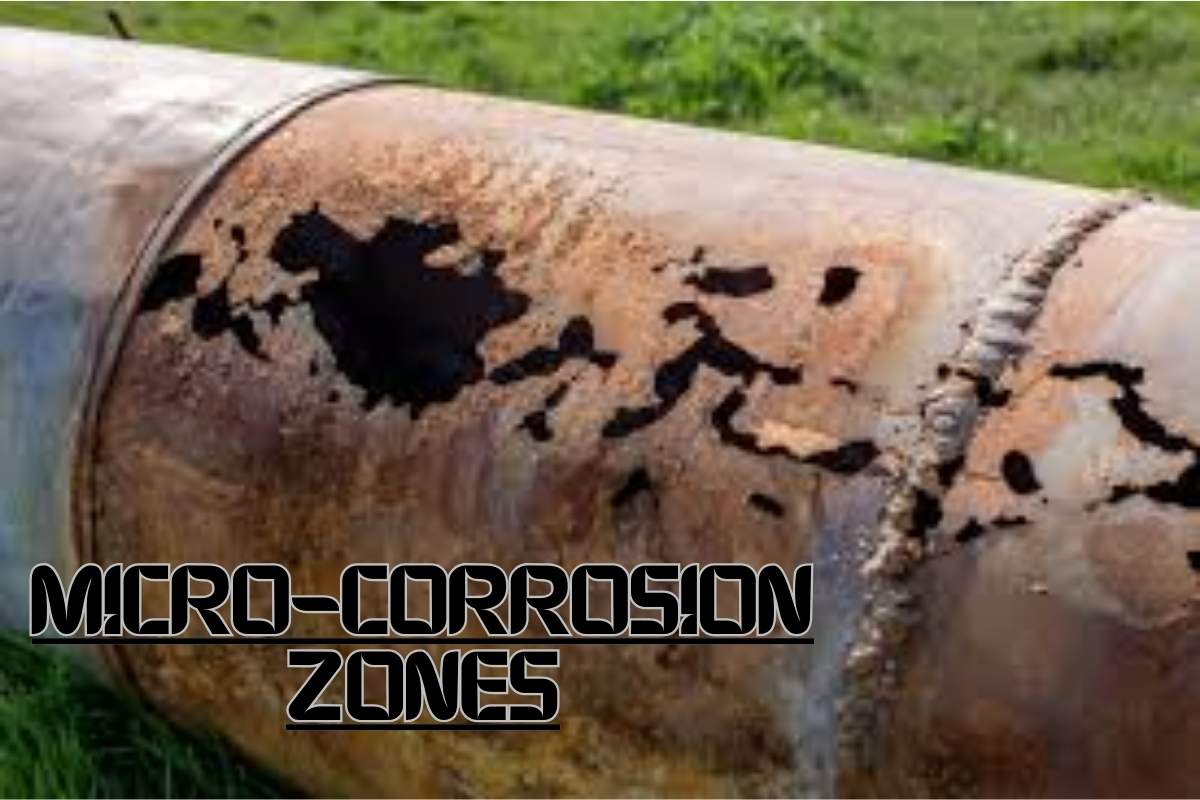
In oil and gas systems, the biggest failures rarely start big. They usually start in places no one is watching. A tiny pit forms on a pipe wall. Moisture sits longer than expected. A coating lifts just enough to expose metal. Nothing looks more urgent than the Aviator Game. Nothing trips an alarm. Then, one day, operations stop.
Table of Contents
What People Mean When They Say “Micro-Corrosion”
Most people picture corrosion as something gradual and even. Metal gets thinner over time. Inspections track the loss. Maintenance plans follow. Micro-corrosion does not behave like that. It focuses damage into very small spots. One section of pipe may look perfect, while a few centimeters away, metal is already compromised. This kind of corrosion does not show up well in averages. Overall wall thickness may still meet specs. Reports look clean. The real problem stays hidden in a single weak point.
Why Inspections Often Walk Right Past It
Inspection tools are designed to cover distance. They scan long sections of pipe. They look for trends, not exceptions. Micro-corrosion lives in the gaps between data points. A pit the size of a coin can sit between sensor passes. Visual checks miss it because paint, insulation, or dirt hides the surface. Even good inspection programs can miss these zones if they rely too much on routine spacing and timing. The system looks healthy, until it isn’t.
Small Spaces Create Harsh Chemistry
Inside a tiny pit, corrosion chemistry behaves differently. Oxygen drops. Acidity increases. Protective layers break down. As metal dissolves, the environment inside the pit becomes more aggressive. This speeds up damage locally while nearby metal remains stable. From the outside, everything still looks fine. This self-feeding process is why micro-corrosion can move faster than expected once it starts.
Why Protection Systems Still Fail
Coatings help, but they are never flawless. Application defects happen. Temperature cycles cause cracking. Mechanical vibration weakens adhesion over time. Inhibitors depend on flow and mixing. In stagnant zones, chemicals do not reach every surface. Some areas stay exposed even when inhibitor levels look correct on paper. Micro-corrosion often begins where protection technically exists, but practically fails.
Early Clues That Feel Too Minor to Matter
Micro-corrosion rarely announces itself clearly. The signs are small and easy to dismiss. A pressure reading drifts slightly. Water content rises just a bit. A valve sticks once, then works again. Maintenance frequency increases, but no single issue seems serious. These are the moments where experience matters. When small issues repeat in the same area, something localized is changing.
How Tiny Damage Becomes a Major Shutdown
The danger is not the size of the corrosion. It is the location. A small pit in a high-pressure line can grow into a crack under stress. Once failure happens, response options shrink fast. Shutdowns are immediate. Inspections expand. Repairs take longer than planned. Production losses far exceed the cost of the original damage. The system pays for ignoring something that once looked insignificant.
Aging Systems Are Especially Vulnerable
Older infrastructure carries history that is easy to forget. Flow patterns change. Operating conditions shift. What was once a low-risk area becomes something else entirely. Insulation ages. Drain lines clog partially. Documentation no longer matches reality. Yet familiarity creates confidence. Teams assume the system behaves the way it always has. That confidence can delay attention to small, uncomfortable signs.
Rethinking How Inspections Are Planned
Finding micro-corrosion is less about inspecting more and more and more about inspecting smarter. High-risk zones deserve shorter intervals and closer attention. Welds, low-flow sections, and areas with repeated minor issues should move higher on priority lists. Risk-based inspection works best when it includes localized behavior, not just overall system health.
Why Human Judgment Still Matters
Sensors produce valuable data, but micro-corrosion often shows itself as patterns rather than spikes. Humans notice those patterns first. An operator hears a change in sound. A technician senses a slower response. These observations rarely make it into dashboards, but they are often accurate. When human insight and targeted data work together, detection improves.
Training People to Take Small Problems Seriously
Many teams are trained to respond to big failures. Blowouts. Leaks. Structural damage. Micro-corrosion lives below that threshold. Training that encourages curiosity about small anomalies changes outcomes. It teaches patience and investigation instead of urgency and reaction. This mindset prevents surprise failures better than adding more technology.