

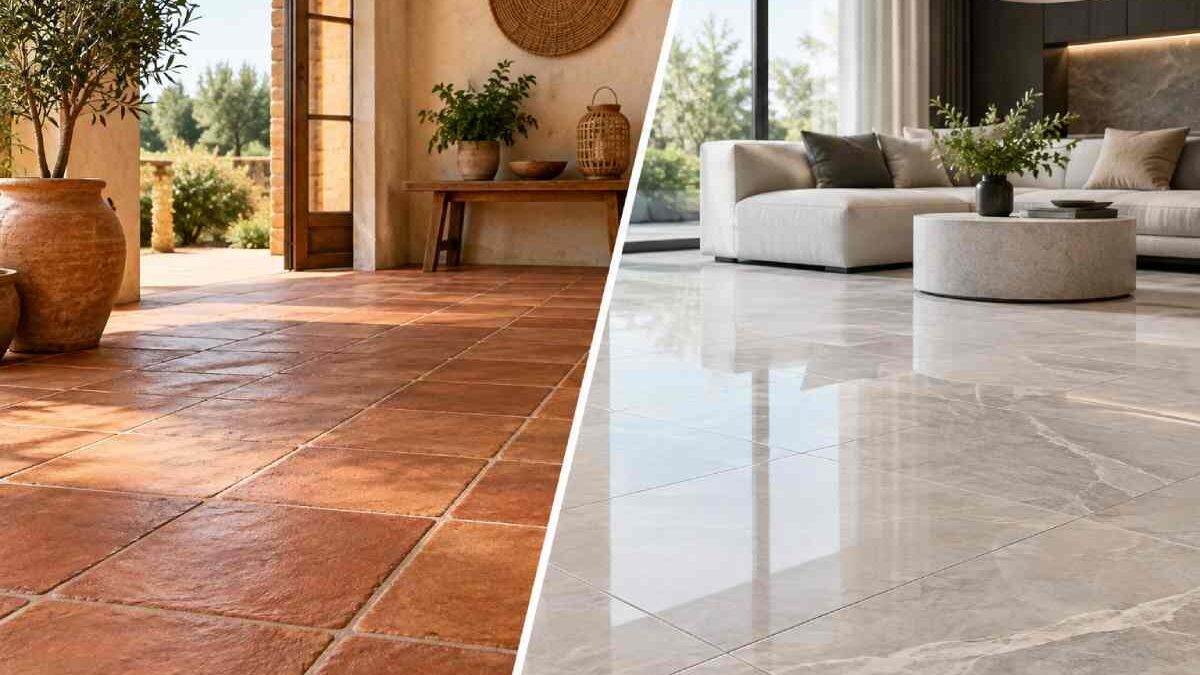

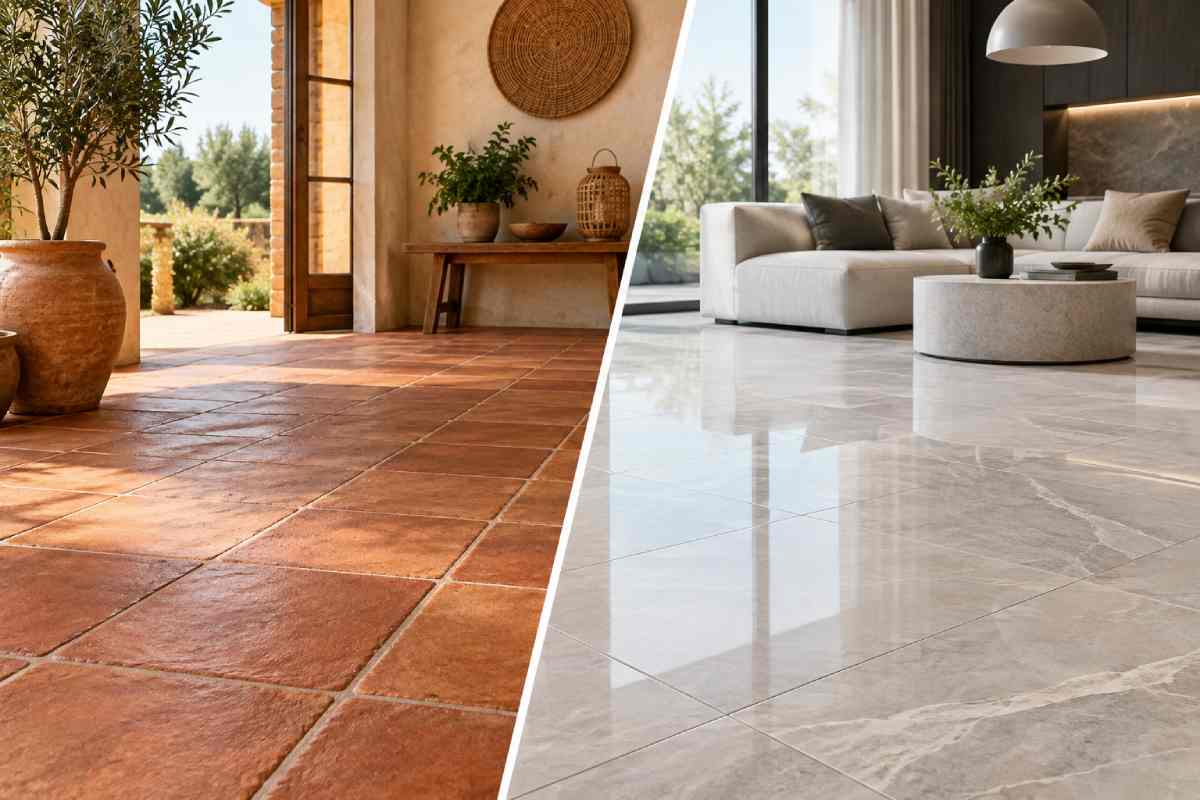
Choosing the right tile for your home is a pivotal decision in Interior Design and Home Improvement. Two popular options, Clay Tile and Porcelain Tile, offer distinct advantages that can transform any space. Understanding the unique characteristics and benefits of each tile type is essential for making an informed choice that complements your home’s aesthetic. This article will delve into the elegance of Clay Tile, the versatility of Porcelain Tile, their durability and maintenance, and cost considerations, ultimately guiding you toward the best investment for your home design.
Table of Contents
Clay Tile: A Classic Choice for Timeless Elegance
Clay Tile stands as a symbol of timeless elegance, often featured in traditional and Mediterranean-style homes. This tile type is known for its rich, earthy tones and natural feel, which can be enhanced through various surface treatments to add depth and texture. When incorporated into a design, Clay Tile can create a warm, inviting atmosphere, making it a staple in interior and exterior hardscaping projects. Interior designers often use mood boards to visualize how Clay Tile can harmonize with existing FFE (Furniture, Fixtures, and Equipment). The tile’s tactile surfaces provide a unique contrast to smoother elements, adding dimension to the space. Furthermore, Clay Tile is a sustainable choice, aligning with principles of LEED certification and environmentally friendly building practices.
Statistics indicate an increasing preference for Clay Tile in home renovations due to its enduring appeal (Source: ASID, 2022). For those interested in exploring the diverse options available, the Clay Tile collection offers a comprehensive selection.
Porcelain Tile: The Modern Option for Versatile Design
Porcelain Tile is celebrated for its versatility and modern aesthetic, making it a popular choice in contemporary interior design. This tile type is manufactured using advanced processes, ensuring uniformity and precision, which is often represented in detailed CAD (Computer-Aided Design) plans. The refined appearance of Porcelain Tile can be customized with various color theories to achieve the desired mood and tone in a space.
Porcelain Tile’s low absorption rate makes it ideal for areas with high moisture, such as bathrooms and kitchens, where egress requirements demand durable materials. It also pairs well with acoustic panels, contributing to sound management in open-plan spaces. Moreover, the adaptability of Porcelain Tile allows it to seamlessly integrate into both floor and wall applications, enhancing space planning flexibility.
Recent research from ArchDaily highlights Porcelain Tile’s growing popularity in urban developments, citing its ability to mimic natural stone and other materials, offering aesthetic versatility without compromising quality.
Comparing Durability and Maintenance of Clay and Porcelain Tiles
When assessing durability, Porcelain Tile generally surpasses Clay Tile due to its denser construction, making it resistant to scratches and stains. This durability is particularly beneficial in high-traffic areas, where longevity is a priority. Porcelain Tile often features advanced surface treatments that enhance its resilience, ensuring it withstands everyday wear and tear.
Clay Tile, while slightly less durable, offers a unique charm through its natural imperfections and can be more forgiving to minor damage, adding character over time. Maintenance of Clay Tile involves regular sealing to preserve its appearance and prevent moisture absorption, whereas Porcelain Tile requires less frequent attention, often only needing routine cleaning.
A comparison of maintenance costs shows that Porcelain Tile can be more cost-effective in the long run due to its low upkeep requirements (Source: Interior Design Magazine, 2023). However, the choice between Clay and Porcelain should also consider the desired aesthetic and functional needs of the space.
Cost Considerations: Investing in Clay vs. Porcelain Tile for Your Home
Cost is a significant factor when selecting tiles, with both Clay and Porcelain offering distinct financial considerations. Clay Tile tends to be more affordable initially, making it accessible for a wide range of budgets. This cost-effectiveness is appealing for large-scale projects where budget constraints are present.
Porcelain Tile, on the other hand, represents a higher upfront investment, but its durability and minimal maintenance can lead to long-term savings. This is particularly relevant for homeowners seeking materials that require less frequent replacement. Additionally, Porcelain Tile’s compatibility with BIM (Building Information Modeling) allows for precise cost estimation and efficient project execution.
Investing in either Clay Tile or Porcelain Tile should be guided by a thorough evaluation of project needs and budget. Strategic space planning can maximize the impact of these materials, ensuring that the investment enhances the home’s overall design and value.
Conclusion
Choosing between Clay Tile and Porcelain Tile ultimately depends on your design vision, functional requirements, and budget. Clay Tile offers timeless elegance and a natural aesthetic, while Porcelain Tile provides modern versatility and robust durability. Both options have distinct advantages that can elevate your home design, making them valuable investments for any renovation project. For those looking to enhance their living space with elegance and practicality, these tile options provide the ideal solution.