

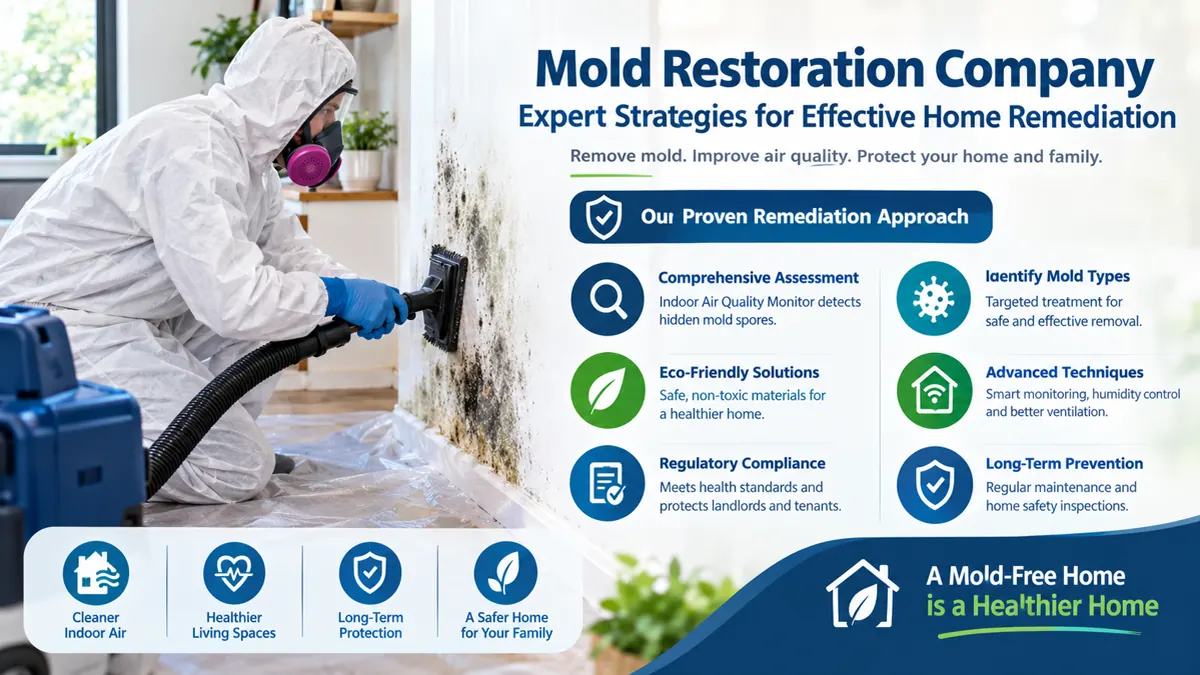

When it comes to maintaining a safe and healthy home environment, the presence of mold can pose significant challenges. Mold not only affects the aesthetic appeal of a home but also poses serious health risks to its inhabitants. Understanding how to effectively remediate this issue is crucial for any homeowner. This article explores the expert strategies employed by a Mold Restoration Company and offers insights into preventing future mold growth. Whether you’re dealing with a small patch or a widespread issue, these strategies will help ensure your home remains a sanctuary for you and your family.
Table of Contents
Mold Restoration Company: Key Factors for Successful Remediation
The expertise of a Mold Restoration Company is essential for successful remediation. One critical factor is the comprehensive assessment process that professionals use to understand the extent of mold infiltration. This includes deploying tools like an Indoor Air Quality Monitor to identify airborne mold spores that are not visible to the naked eye. By accurately assessing the situation, effective remediation plans can be developed.
Another key factor is the use of eco-friendly material sourcing during the removal process. This approach ensures that the materials used do not introduce additional toxins into the home environment. Companies that prioritize eco-friendly solutions contribute to enhancing the overall indoor air quality.
Furthermore, ensuring Residential Lease Compliance is crucial for landlords dealing with mold issues in rental properties. By adhering to local health regulations and providing documentation of remediation efforts, landlords can avoid legal complications and ensure tenant safety.
Identifying Mold Types and Their Impact on Home Health
Understanding the specific types of mold present in a home is vital for effective remediation. Some mold types, such as black mold, are more hazardous and require immediate attention. A Childproofing Assessment can help identify areas where mold could potentially harm young children, ensuring that these areas are prioritized during remediation.
Differentiating mold types guides the choice of remediation methods. For instance, non-toxic molds may only require basic cleaning, whereas toxic molds necessitate more intensive hazardous material abatement procedures to safely remove them from the home environment.
Moreover, mold’s impact on home health can extend beyond physical health issues. A Feng Shui Consultant might suggest that mold disrupts the energy flow in a home, further emphasizing the importance of prompt and thorough remediation.
Effective Techniques Used by Mold Restoration Experts
Mold restoration experts employ a variety of techniques to ensure thorough and effective remediation. One widely used method is Smart Home Integration Specialist tools, which help monitor humidity levels and automate ventilation systems to prevent mold growth.
Additionally, the implementation of a Home Maintenance Tracker can provide homeowners with regular updates on potential risk areas, ensuring that mold doesn’t have the opportunity to spread unnoticed. This proactive approach is crucial for effective long-term management.
Experts also incorporate Energy Efficiency Audits to identify areas where poor insulation or ventilation might contribute to mold growth. By addressing these underlying issues, homeowners can reduce the likelihood of future mold infestations.
Preventative Measures for Long-Term Mold Management
Preventing mold growth in the long term requires a combination of regular maintenance and strategic planning. One effective measure is conducting routine Home Safety Inspection Checklists, which can help identify early signs of mold growth and other potential hazards.
Incorporating Universal Design Implementation in home renovations can also support mold prevention efforts. This approach ensures that spaces are designed to facilitate proper airflow and moisture control, reducing the risk of mold development.
Furthermore, Landscape Irrigation Scheduling can help manage external moisture sources that might contribute to indoor mold. Properly directing water away from the home’s foundation minimizes the risk of water intrusion and subsequent mold growth.
Conclusion
Successfully managing mold in the home involves understanding the key factors of remediation, identifying mold types, and employing effective techniques. By partnering with a Mold Restoration Company and implementing preventative measures, homeowners can maintain a safe and healthy living environment. These strategies ensure that your home remains a place of comfort and security for you and your family.