

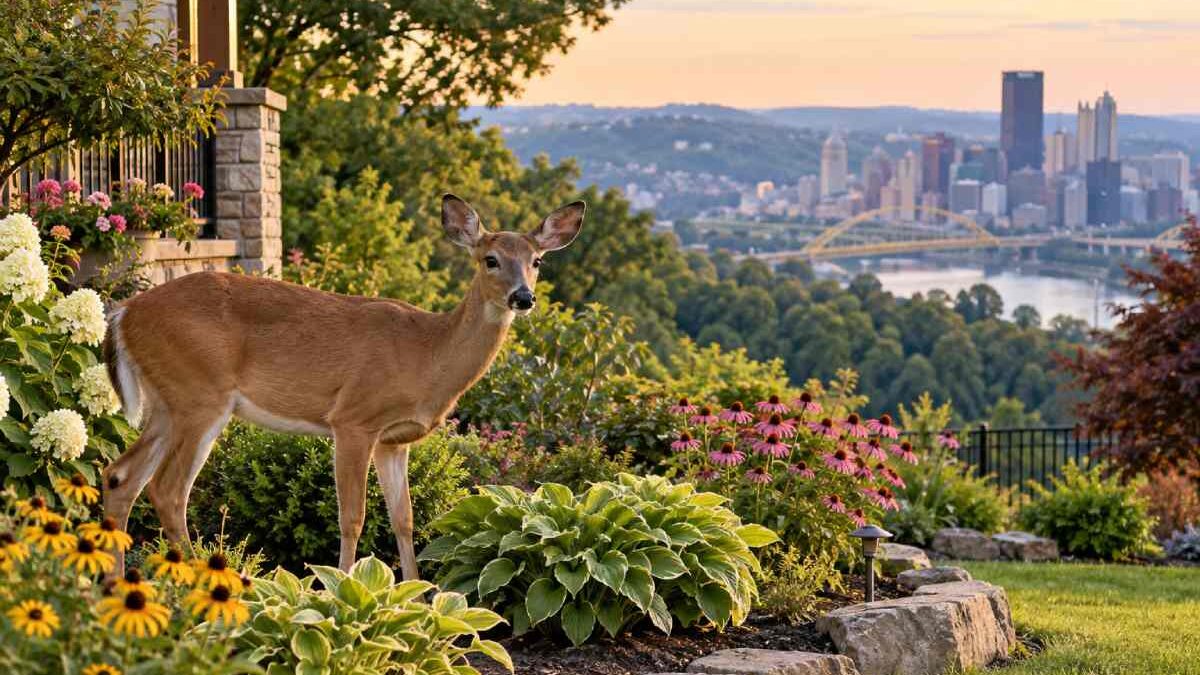

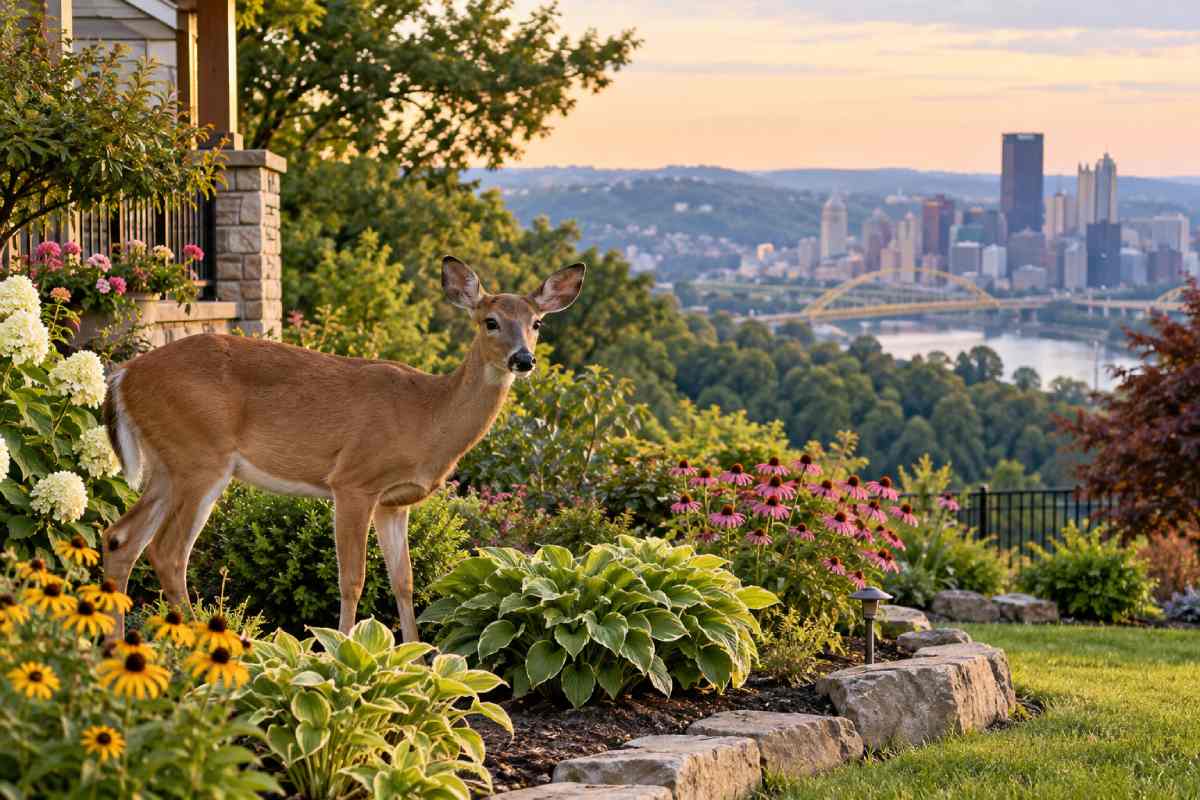
Gardening in the picturesque neighborhoods of Pittsburgh’s South Hills comes with its own set of challenges, one of which is dealing with deer that can wreak havoc on carefully tended landscapes. As these graceful yet destructive visitors become more prevalent, local gardeners are seeking effective strategies for protecting their investment in flora. This guide will cover expert insights into deer control, offering practical solutions from choosing the right plants to community-based approaches. Whether you’re a seasoned gardener or new to the field, understanding these methods can help preserve the beauty of your outdoor spaces.
Table of Contents
Deer Control Strategies for South Hills Gardens
In South Hills, integrated pest management (IPM) plays a key role in reducing deer damage in gardens. This approach combines different techniques to achieve long-term prevention. One effective strategy is to employ physical barriers such as deer fencing, which can be particularly useful in areas with high deer traffic. Understanding the local plant hardiness zone is essential, as it helps in selecting plants that are more resilient to deer browsing. Moreover, landscape architects often incorporate hardscaping elements like stone walls or raised beds, which not only enhance garden aesthetics but also serve as obstacles to deer. For those looking for expert assistance, services like Deer Control Pittsburgh South Hills can provide tailored solutions.
For a more holistic approach, consider permaculture design, which emphasizes creating a self-sustaining ecosystem. This method can include planting deer-resistant native species that thrive in local conditions, reducing the appeal of your garden to deer. Soil amendment, the process of improving soil quality, can also make certain plants less attractive to deer by enhancing their natural defense mechanisms.
Effective Repellents for Deterring Deer
Repellents are a popular choice for many gardeners in South Hills looking to deter deer. These can be chemical or natural, with the latter being more environmentally friendly. Organic certification is a key consideration for those opting for natural solutions, ensuring that the repellents used are safe for the environment. Additionally, utilizing a seasonal planting calendar can help in timing the application of repellents effectively, maximizing their deterrent effects during peak deer activity.
One innovative approach involves the use of xeriscaping techniques, which focus on drought-resistant plants that are less appealing to deer. This method not only conserves water but also reduces the need for frequent reapplication of repellents. Some gardeners also practice green waste recycling, using mulching techniques to create natural barriers that deter deer.
Plant Selection for Deer Resistance in Local Landscapes
Choosing the right plants is crucial for minimizing deer damage. Many local gardeners turn to deer-resistant varieties that can withstand browsing. Examples include certain types of ornamental grasses and herbs, which are less palatable to deer. Soil pH testing can aid in selecting plants that thrive in specific soil conditions, ensuring that they are robust enough to resist deer.
Hydroponic systems, though less common in traditional gardens, offer a unique solution by growing plants in a controlled environment away from deer. However, for those maintaining traditional gardens, incorporating plants that deer naturally avoid can be an effective strategy. Engaging with an arborist can provide insights into which native trees and shrubs are less likely to attract deer.
Community Approaches to Managing Deer Populations
Managing deer populations requires a community effort. The South Hills area has seen success with neighborhood initiatives that focus on communal efforts to control deer. For instance, establishing a landscape maintenance contract with local services can ensure regular monitoring and implementation of deer control measures.
Moreover, educational workshops and collaboration with local authorities can foster a community-wide understanding of effective deer management. By working together, residents can implement comprehensive solutions, such as organized deer drives or controlled hunting, where legal, to manage populations. For those seeking professional assistance, services like Deer Control Pittsburgh South Hills offer tailored solutions, leveraging expertise to protect local gardens.
Conclusion
Successfully managing deer in the South Hills involves a blend of strategic planning, plant selection, and community involvement. By adopting integrated pest management techniques and selecting deer-resistant plants, gardeners can protect their landscapes. Collaborative community efforts further enhance these strategies, ensuring that gardens remain vibrant and deer-free. For local gardeners, investing in these expert insights not only safeguards their gardens but enriches the entire community’s relationship with nature.